
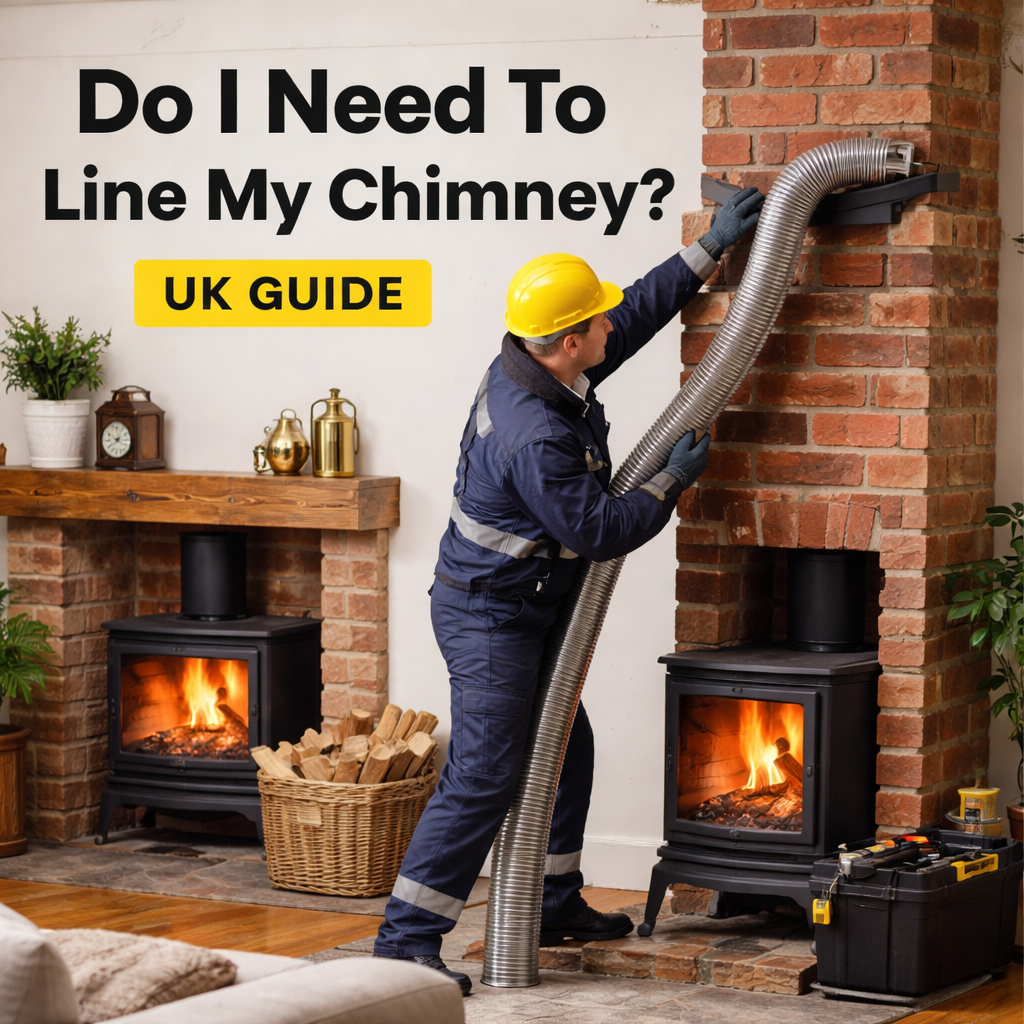
If you own a wood burner, multi fuel stove or open fire, one of the most common questions is:
“Do I need to line my chimney?”
The honest answer is: in most UK properties, yes — particularly when installing a new stove.
However, whether chimney lining is legally required, technically necessary, or simply strongly recommended depends on:
- The age and condition of your chimney
- The type and output of your appliance
- Current UK Building Regulations
- The size of your existing flue
- The fuel you intend to burn
As chimney and flue engineers with over 20 years of industry experience, we inspect hundreds of chimneys every year. In this guide, we explain when lining is essential, when it may not be required, the risks of avoiding it, and how to make the right decision for your property.
Contents
- What Is A Chimney Liner?
- Types Of Chimney Liners Used In The UK
- Is A Chimney Liner Legally Required In The UK?
- Why Modern Stoves Nearly Always Require Lining
- What Happens If You Don’t Line A Chimney?
- How Do I Know If My Chimney Needs Lining?
- What Size Chimney Liner Do I Need?
- How Long Does A Chimney Liner Last?
- How Much Does It Cost To Line A Chimney?
- Can I Install A Chimney Liner Myself?
- Professional Recommendation
What Is A Chimney Liner?
A chimney liner is an internal flue system installed inside an existing chimney to safely carry combustion gases from your appliance to the outside atmosphere.
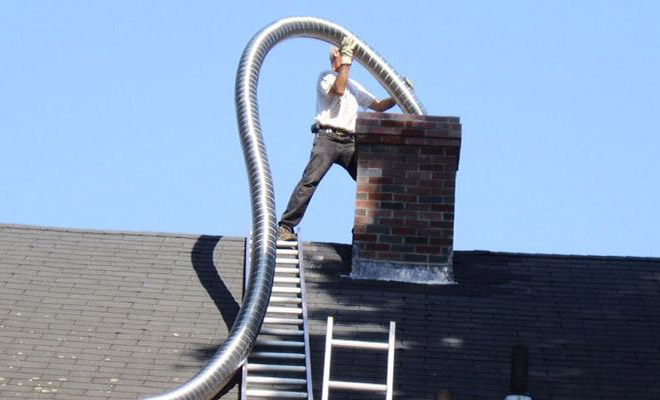
Think of it as a protective sleeve inside your chimney.
Its main purposes are to:
- Improve flue draft and airflow
- Protect brickwork from heat and corrosive gases
- Prevent smoke leakage into walls and loft spaces
- Reduce tar and creosote condensation
- Improve stove efficiency and performance
- Ensure compliance with Building Regulations
Older chimneys were often built with plain brick or clay without proper flue sizing. Modern appliances are far more efficient and produce different flue gas temperatures, which means older chimneys rarely perform correctly without lining.
Types Of Chimney Liners Used In The UK
Understanding liner types helps explain why lining is often necessary.
1. Flexible Stainless Steel Liners (Most Common)
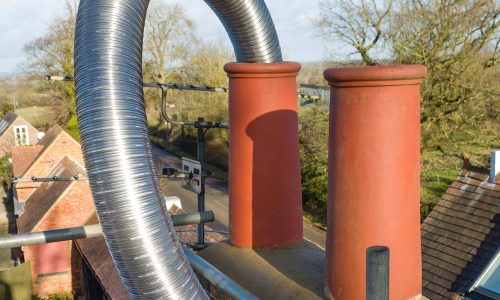
Used in existing masonry chimneys.
Grades:
- 316L stainless steel – suitable for wood and smokeless fuels
- 904L stainless steel – higher corrosion resistance, longer lifespan
Best for: Retrofitting stoves into existing chimneys.
2. Pumice Liners
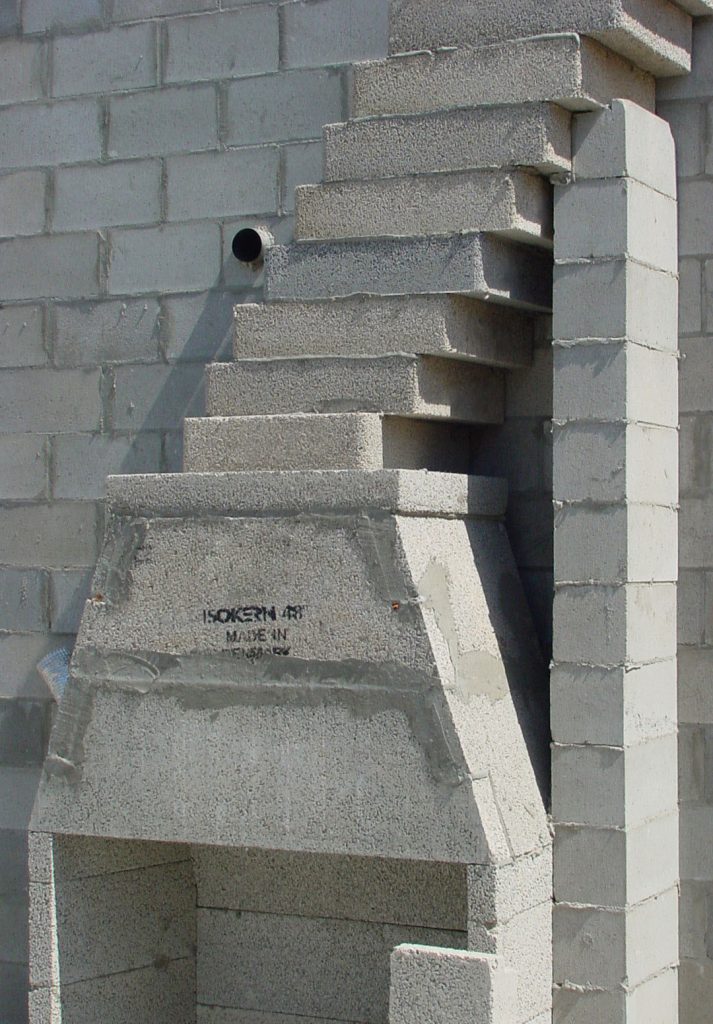
Prefabricated concrete systems used in new builds.
Best for: New chimney construction.
3. Ceramic / Clay Liners
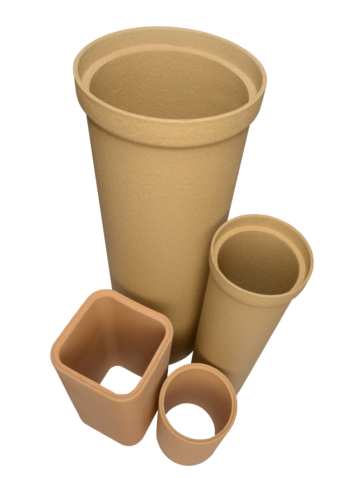
Often found in older properties but can crack over time.
Best for: Traditional masonry chimneys (if intact).
4. Twin Wall Insulated Systems
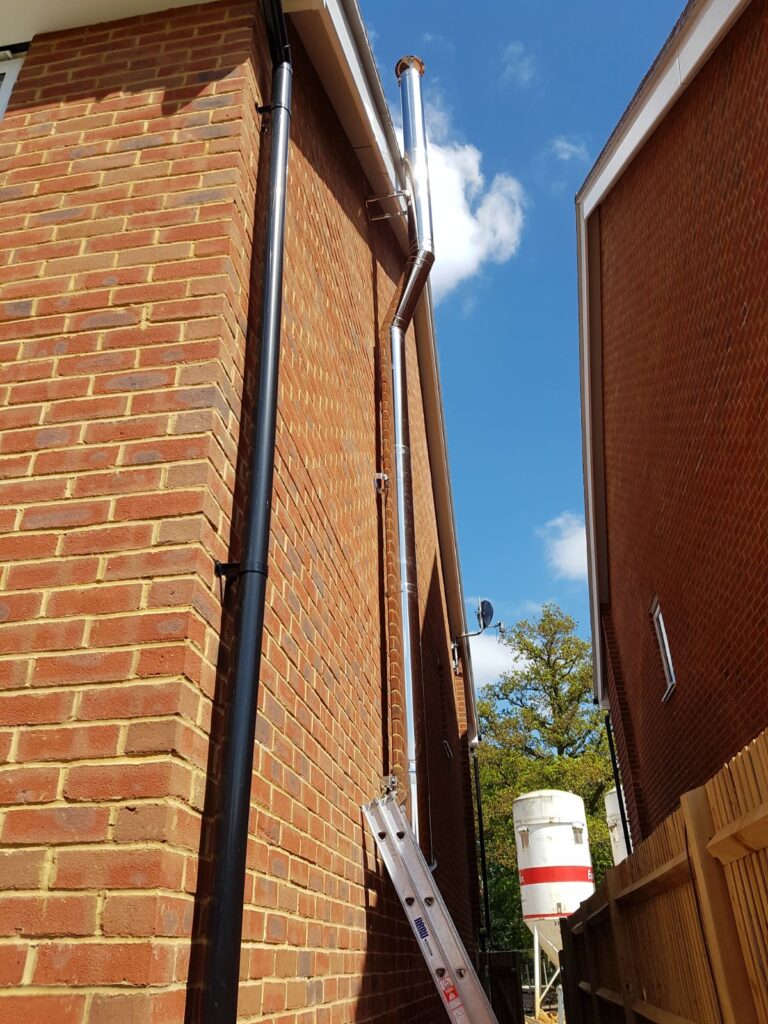
Used when no chimney exists.
Best for: Extensions, loft conversions, garden rooms.
Is A Chimney Liner Legally Required In The UK?
Under Approved Document J of the Building Regulations, a chimney must be:
- Suitable for the intended appliance
- Correctly sized for flue gases
- Structurally sound
- Gas tight
- Able to safely discharge combustion products
If your existing chimney does not meet those criteria, it must be lined.
You will almost always need a liner if:
- Installing a new wood burning stove into an older brick chimney
- Converting from gas fire to solid fuel
- The flue is too large for the stove
- The chimney fails a smoke test
- The chimney has deteriorated mortar joints
- The property was built before 1960
Open fires may sometimes operate without lining, but they are rarely compliant with modern efficiency and safety standards.
Why Modern Stoves Nearly Always Require Lining
Modern wood burners are designed to operate with controlled flue diameters.
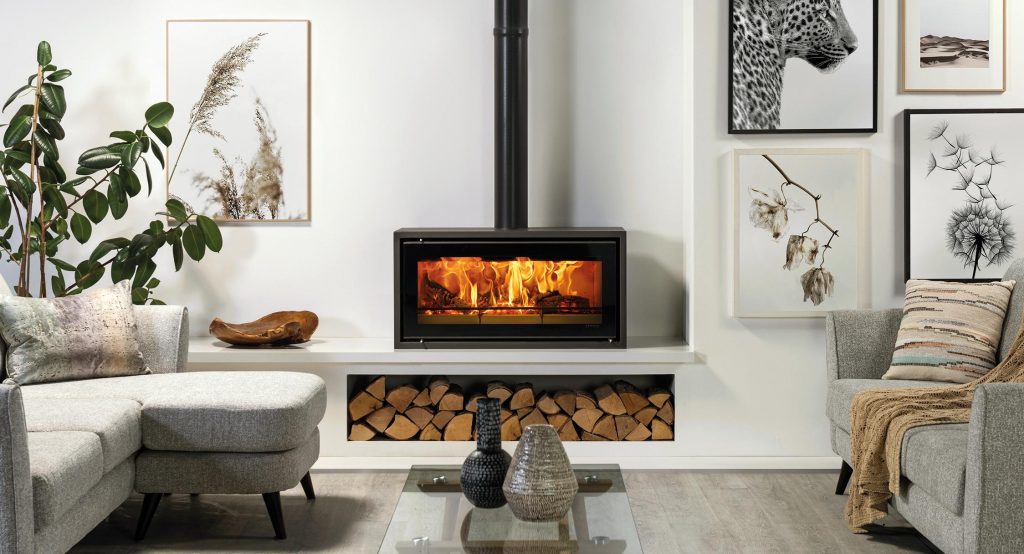
An oversized flue causes:
- Weak draft
- Increased condensation
- Rapid tar formation
- Poor combustion
- Reduced heat output
Older chimneys were often 9″ x 9″ or larger internally. Most modern stoves require a 5″ or 6″ diameter flue.
Without lining, the stove cannot perform as designed.
What Happens If You Don’t Line A Chimney?
Many homeowners assume “it worked before, so it will work now.” Unfortunately, this is rarely true with modern appliances.
Here are the real risks.
1. Poor Draft & Smoke Spillage
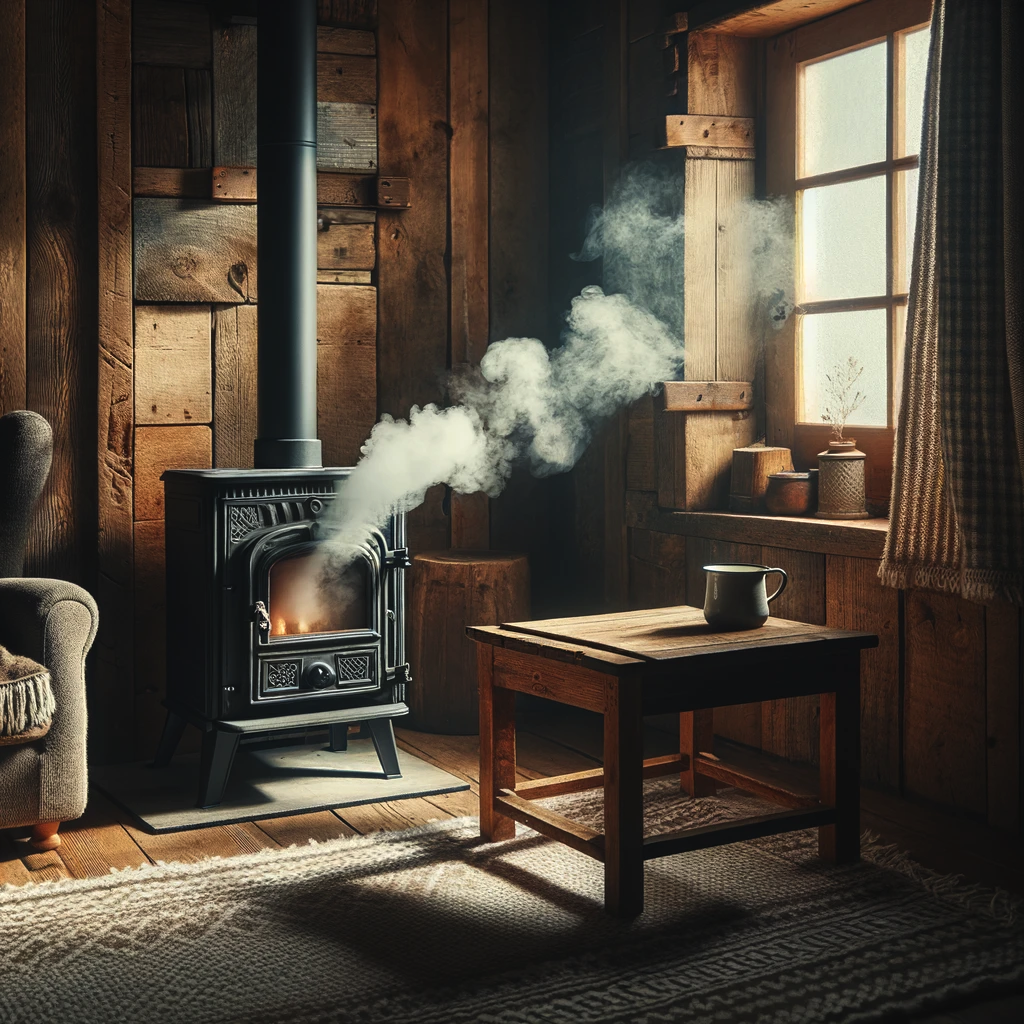
Oversized or rough brick flues disrupt airflow. This can cause smoke to spill into the room, especially during lighting.
2. Tar & Creosote Build-Up
Unlined chimneys cool flue gases too quickly. This causes condensation, which mixes with soot to form creosote.
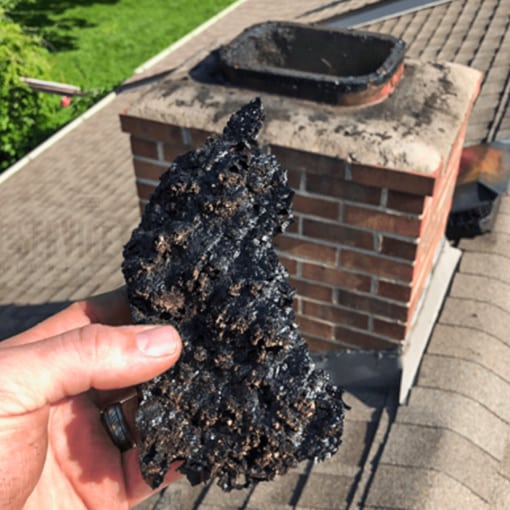
Creosote is:
- Highly flammable
- Acidic
- Difficult to remove
Chimney fires are significantly more common in unlined systems.
3. Carbon Monoxide Leakage
Old brick chimneys are rarely airtight. Mortar gaps allow gases to escape into:
- Loft voids
- Bedrooms
- Adjacent properties (terraced houses)
Carbon monoxide has no smell and can be fatal.
4. Internal Chimney Deterioration
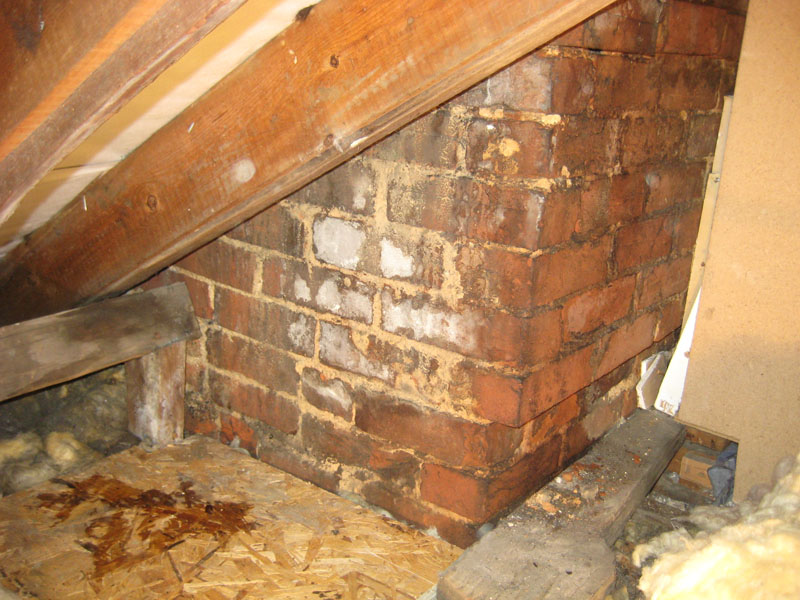
Flue gases contain acidic compounds. Over time, these corrode:
- Mortar joints
- Brick faces
- Chimney stacks
By the time damp patches appear on internal walls, internal damage is often extensive.
How Do I Know If My Chimney Needs Lining?
A proper professional inspection should include:
- CCTV flue survey
- Smoke pressure test
- Chimney stack inspection
- Flue measurement
- Moisture assessment
Warning signs you may need lining:
- Strong tar or soot smells
- Damp patches on chimney breast
- White staining (efflorescence)
- Smoke entering upstairs rooms
- Birds nesting frequently
- Stove struggles to stay lit
- Excessive soot during sweeping
In our experience, the majority of chimneys over 50 years old benefit from lining.
What Size Chimney Liner Do I Need?
Correct sizing is critical.
General UK guidance:
- 5″ (125mm) – DEFRA approved stoves under 5kW
- 6″ (150mm) – Most wood burning stoves
- 7–8″ – Larger appliances
- 200mm+ – Open fires
Too small = restricted airflow and poor performance.
Too large = weak draft and condensation problems.
The appliance manufacturer’s instructions always take priority.
How Long Does A Chimney Liner Last?
Average lifespan depends on material and fuel use.
- 316 stainless steel: 10–15 years
- 904 stainless steel: 20+ years
- Pumice systems: 30+ years
- Ceramic liners: 40+ years
Lifespan is heavily influenced by:
- Burning seasoned wood (below 20% moisture)
- Sweeping frequency (at least annually)
- Correct installation angle and support
- Avoiding slumber burning
Burning wet wood is the number one cause of premature liner failure.
How Much Does It Cost To Line A Chimney In The UK? (2026)
Typical installation costs:
Two-storey property: £1,000–£1,800
Three-storey property: £1,500–£2,500
Including stove installation & certification: £1,800–£3,000+
Costs depend on:
- Chimney height
- Access and scaffolding
- Liner grade (316 vs 904)
- Appliance connection parts
- Whether a register plate is required
Cheapest quotes often omit key components. Always confirm what is included.
Can I Install A Chimney Liner Myself?
Technically possible, but not advisable unless you are competent and able to self-certify.
Improper installation can cause:
- Chimney fires
- Carbon monoxide leaks
- Insurance invalidation
- Failed Building Control inspection
Using a registered installer ensures compliance and certification.
Is It Ever Acceptable Not To Line A Chimney?
In rare cases:
- Recently built chimneys with certified clay liners
- Chimneys proven gas-tight and correctly sized
- Certain open fire applications
However, even in these cases, lining often improves efficiency and longevity.
Professional Recommendation
If you are installing a new stove, assume lining will be required unless a full inspection proves otherwise.
A correctly specified and professionally installed chimney liner:
- Improves efficiency
- Enhances safety
- Extends chimney life
- Reduces long-term maintenance costs
- Ensures regulatory compliance
With over two decades working on domestic and commercial chimney systems, we consistently see that proactive lining prevents expensive structural repairs later.
Before installing any stove or altering your chimney, arrange a proper inspection. It is significantly cheaper than repairing a failed flue system.


My mother-in-law wishes to install an ELECTRIC fire in her existing fire place (now clean). Does she require a chimney liner and capping at the top, please?
I would welcome your advice. Thank you.
Hi Wyn, you do not need to install a chimnmey liner but the chimney does need to be capped. I would consult your local installer who will be able to advise on you application. Kind Regards, Max